

everything you need to lnow about winter tires

Why Winter Tires Are Essential
When temperatures drop and roads become wet, icy, or snow‑covered, traction decreases dramatically. In these conditions, winter tires significantly improve safety, braking performance, and handling. Many drivers assume that all‑season tires are suitable for every climate, but the truth is clear: winter tires are engineered specifically for temperatures below 7°C and outperform all‑season tires in every cold‑weather scenario.
Winter Tire Compound: Silica‑Enriched Rubber for Cold Weather
The biggest difference between winter tires and summer or all‑season tires is their rubber compound. Winter tires contain a higher percentage of silica and specially formulated soft rubber.
• Ordinary tires become stiff and brittle in cold weather.
• Winter tires stay flexible, maintaining better road contact even on ice or compacted snow.
This flexibility is the key reason winter tires deliver superior grip, stability, and control in freezing temperatures.
Specialized Tread Design for Snow and Ice
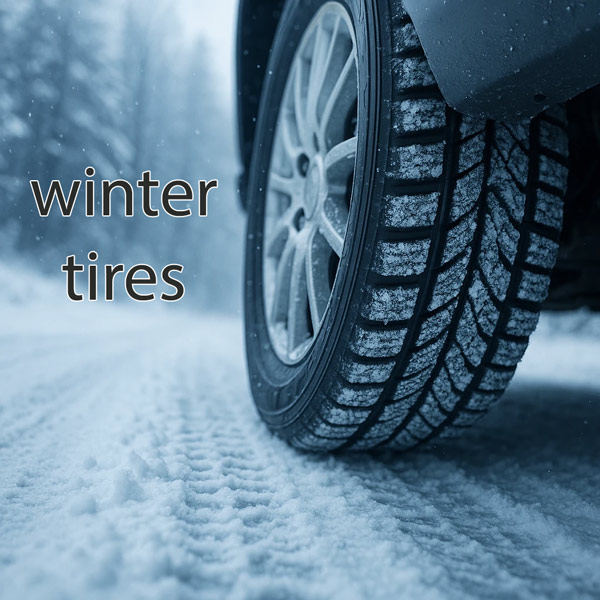
Winter tire tread patterns are engineered not just to remove water and slush but also to pack snow into the grooves. This may sound unusual, but snow‑on‑snow contact provides better traction than rubber on snow.
Key features of winter tire tread design:
• Deeper and angled grooves for fast water and slush evacuation
• High-density sipes (tiny slits) that bite into icy surfaces
• Symmetrical tread blocks for better cornering stability
Brands like Kapsen, Bridgestone, and Michelin use unique tread block technologies to improve braking on compact snow and icy roads.
Difference Between Winter Tires and Standard Tires
Regular (summer) tires:
• Harder rubber, optimized for high temperatures
• Shallower grooves
• Poor grip in cold weather
• Weak braking on snow
• Quieter on dry roads
Winter tires:
• Soft silica compound designed for cold climates
• Deep, aggressive grooves with micro-edges
• High traction on snow and ice
• Up to 30% shorter braking distance
• Slightly higher road noise due to open tread patterns
If your region consistently drops below 7°C, winter tires are not optional—they are necessary.
Technical Performance and Engineering Advantages
Winter tires are not only for snowy conditions; they are optimized for all cold and wet environments. Their engineering includes:
• High cold‑temperature flexibility to prevent cracking
• Wider tread gaps for increased grip and road contact
• Micro‑edge sipes that lock into the road surface
• Stabilized shoulder blocks for safer cornering
• Enhanced tread durability due to thermal silica compounds
How Winter Tires Improve Vehicle Safety
Independent testing by European organizations such as TÜV and ADAC shows that cars equipped with winter tires can stop up to 9 meters sooner from 50 km/h compared to ordinary tires.
This shorter braking distance can be the difference between avoiding an accident or losing control.
Winter tires also improve steering stability during sudden lane changes — especially useful in cold, mountainous, or coastal regions where slippery roads are common.
Winter Tire Maintenance Tips
To maximize the life of your winter tires:
• Check air pressure regularly; cold weather reduces pressure
• Switch to summer tires after winter ends to prevent compound wear
• Store tires vertically or hanging in a cool, dry place
• Wash with cold water and avoid acidic cleaners
Affordable, durable options in Iran include Habilead and Kapsen WinterPro, both backed by official warranties.
Best Time to Install Winter Tires
Global guidelines suggest switching to winter tires when the average temperature consistently falls below 7°C. Many drivers mistakenly wait for snow, but winter tires provide significant benefits even on dry but cold roads.
Additional Tip for Drivers in Iran
Cities like Ardabil, Tabriz, Hamedan, Isfahan, Karaj, and Chalous experience prolonged cold and icy conditions in winter. In these areas, always install four winter tires at the same time. Using only two on the front axle disrupts the vehicle’s balance and can be dangerous during braking.
Conclusion: Winter Tires Mean Safety, Stability, and Confident Driving
Although winter tires may seem like an extra expense, they are actually an investment in safety. They offer superior traction, shorter braking distances, and better control in cold weather.
For reliable and warranty-backed products, always purchase from trusted stores.
For updated prices, brand comparisons, and online ordering, visit:
LidomaTire | Buy winter tires online with official warranty